
Understanding your options for brighter, more even skin
When it comes to treating hyperpigmentation, few ingredients have a reputation quite like hydroquinone. For decades, hydroquinone has been one of the most well-known and effective topical ingredients for fading unwanted pigmentation, and it remains an important option for many patients.
However, effective doesn’t always mean appropriate for everyone, and when it comes to pigmentation, there is rarely a one-size-fits-all solution. Your skin type, sensitivity, pigmentation concerns, skincare routine, and long-term goals all play a role in determining which ingredients make the most sense. For some people, hydroquinone may be an excellent short-term treatment. For others, a gentler or more comprehensive approach using ingredients such as vitamin C, retinol, and DEJ-boosting serum may be a better fit for maintaining brighter, more even-looking skin over time.
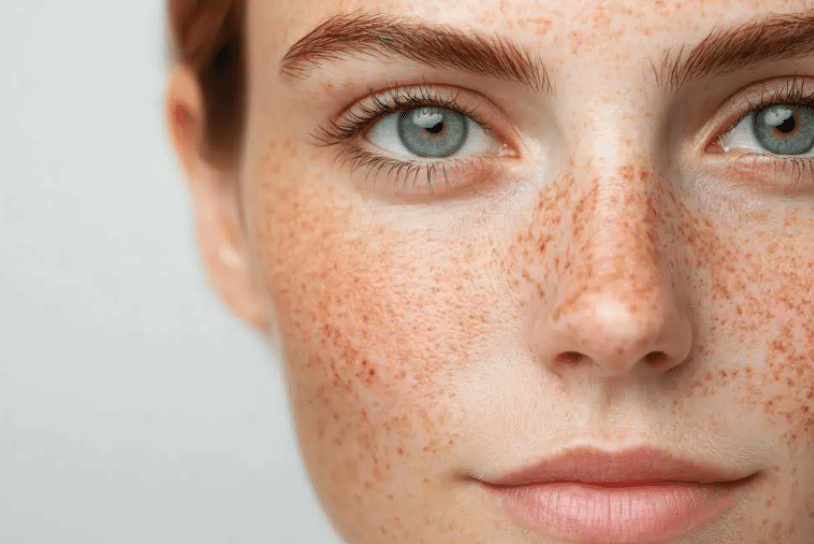
Hydroquinone works primarily by reducing the skin’s production of melanin, the pigment responsible for skin color. Because it directly targets melanin production, it can be particularly effective for concerns such as melasma, sun-induced pigmentation, and post-inflammatory hyperpigmentation.
In fact, hydroquinone remains one of the most extensively studied topical treatments for hyperpigmentation and is considered an effective option for certain types of melasma.
So why wouldn’t everyone use it? The answer comes down to tolerability, treatment goals, and how the product fits into an individual’s long-term skincare strategy.
Hydroquinone can cause irritation, including redness, dryness, or dermatitis, particularly in sensitive skin. Additionally, prolonged or inappropriate use has been associated with a rare condition called exogenous ochronosis, which can cause persistent blue-gray or brownish discoloration. For this reason, hydroquinone is often best viewed as one tool in the pigmentation toolbox, not necessarily the foundation of everyone’s skincare routine.
One of the biggest misconceptions about treating hyperpigmentation is that you have to choose between using a powerful prescription ingredient or doing nothing at all. In reality, there is a lot of room in between.
A well-designed skincare routine can address pigmentation through several different pathways while simultaneously supporting skin health, collagen, texture, and the skin barrier. For many patients, this approach can provide meaningful improvement while being easier to incorporate into a long-term routine. Three ingredients worth discussing are vitamin C, retinol, and DEJ-boosting Serum, each of which can play a different role in creating a brighter, more even-looking complexion.
Vitamin C is a popular ingredient for good reason. Unlike hydroquinone, which primarily targets pigment production, vitamin C takes a broader approach by providing antioxidant protection against environmental stressors like UV exposure while also supporting a brighter, more even complexion. Think of it as a daily defense and brightening step rather than a heavy-duty pigment eraser.
Vitamin C can be a great option for those who want to help prevent new pigmentation while gradually improving existing discoloration, especially if they have sensitive skin or prefer a gentler approach. It may not produce the same degree or speed of pigment reduction as hydroquinone, but skincare isn’t always about choosing the strongest ingredient. Sometimes it’s about finding an effective option that you can use consistently over time.
When people hear “retinol,” they often think about fine lines and wrinkles, but it can also play an important role in improving uneven skin tone and pigmentation. By encouraging skin cell turnover, retinol can help improve the appearance of dark spots over time while also supporting smoother texture, radiance, and overall skin health.
Retinol may not replace hydroquinone when aggressive pigment correction is the goal, but it can be an excellent part of a long-term maintenance or skin rejuvenation routine. The key is introducing it gradually and using it consistently. Too much irritation can actually worsen pigmentation, so when it comes to retinol, more isn’t necessarily better.
Pigmentation is only one piece of the “uneven skin” puzzle. As we age, changes in the dermal-epidermal junction, or DEJ, can contribute to changes in skin structure, firmness, and the way light reflects from the surface of the skin. Supporting the skin’s overall structure can therefore be an important part of creating a complexion that looks smoother, healthier, and more radiant.
This is where a DEJ Boosting Serum can complement a pigmentation-focused routine. Rather than simply targeting pigment, DEJ-focused skincare supports the interface between the epidermis and dermis and promotes the appearance of stronger, more resilient skin. When combined thoughtfully with ingredients like hydroquinone, vitamin C, and retinol, each can play a different role in improving the overall appearance of dull, uneven, or aging skin. The goal isn’t just to lighten dark spots, but to support healthier-looking skin overall.
No pigmentation routine is complete without consistent sun protection. UV exposure can worsen discoloration, while visible light can contribute to melasma. A broad-spectrum SPF 30 or higher, ideally a tinted sunscreen with iron oxides, should be part of your daily routine. Your skincare can help improve pigmentation, but sunscreen helps protect those results.
The best approach depends on your skin and can change over time. Some clients may benefit from a short-term hydroquinone treatment, while others may do better with vitamin C, retinol, DEJ-supporting skincare, and consistent sun protection. The goal isn’t simply to use the strongest ingredient, but to find the right combination to improve pigmentation while supporting healthy, resilient skin long term. A professional skin assessment can help determine what your skin actually needs.